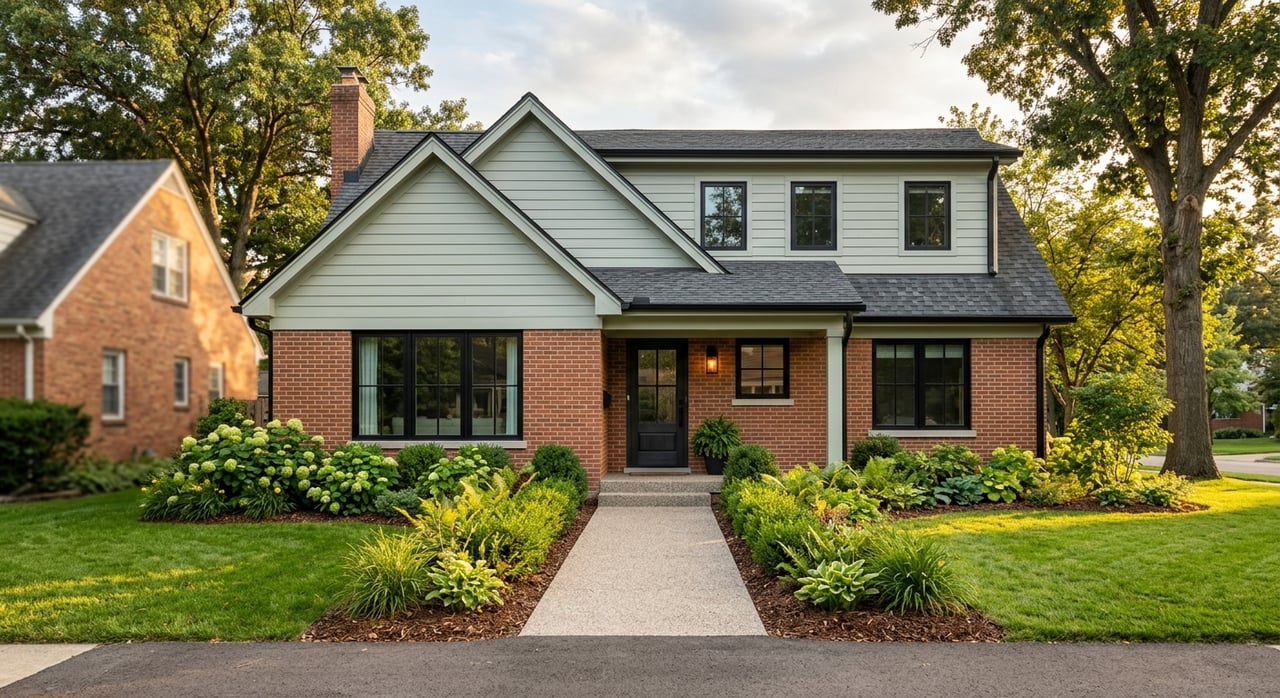
Fayetteville GA Home Buying Guide for a Smart Move
June 18, 2026
June 18, 2026
If you are thinking about buying in Fayetteville, it helps to know this is not a one-size-fits-all market. You may be comparing an established single-family neighborhood, a newer infill or planned community, or a home closer to downtown with a more walkable feel. The good news is that with the right local guidance, you can sort through those options with more confidence. Let’s dive in.
Fayetteville is part of south metro Atlanta, but it has its own housing profile and pace of growth. The city had an estimated 20,419 residents in 2024, up 7.8% from 2020, while Fayette County reached 125,107 residents and grew 5.0% over the same period.
For buyers, that growth matters because it points to a market that is active and evolving. It also helps explain why inventory can feel different from one part of the city to another, especially as Fayetteville plans for a broader mix of housing types.
Fayetteville offers a somewhat wider affordability range than Fayette County as a whole. The median value of owner-occupied homes is $368,200 in the city, compared with $436,400 countywide.
That does not mean every home in Fayetteville is lower priced. It does mean you may find more variety in housing options, including traditional single-family homes, attached homes, and newer infill opportunities, depending on where you look.
Here is a quick snapshot of key numbers:
| Market Metric | Fayetteville | Fayette County |
|---|---|---|
| Median home value | $368,200 | $436,400 |
| Median monthly owner costs | $2,012 | $2,322 |
| Median gross rent | $1,720 | $1,898 |
| Owner-occupied housing | 69.0% | 80.1% |
| Median household income | $82,188 | $111,978 |
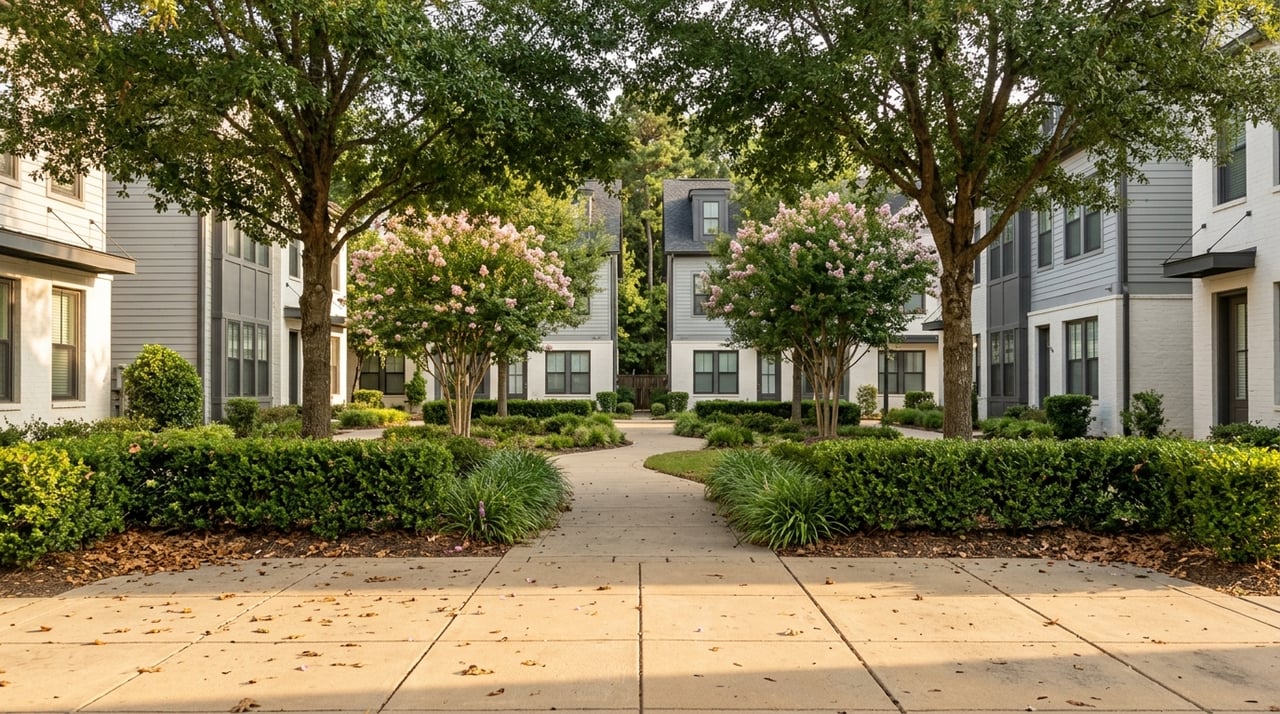
Fayetteville’s development rules support a balanced mix of housing types. The city’s Unified Development Ordinance describes legacy residential districts with larger rural and suburban-scale lots, suburban districts with more typical suburban-scale lots, and urban residential districts that allow smaller urban-scale lots and attached or detached dwellings.
That matters because your search experience may look very different based on your goals. If you want more yard space, your best-fit area may look different from a buyer who wants a lower-maintenance home or a location closer to downtown activity.
Some buyers are drawn to established residential areas with more traditional lot patterns. These can be a good fit if you want a classic suburban layout and want to compare older and newer resale options.
Because Fayetteville includes both city and county-style housing patterns, it is smart to review each address closely rather than assume the whole market feels the same. Neighborhood-specific comparisons matter here.
Fayetteville’s planning goals and housing study point toward more varied housing products in the years ahead. The city’s 2024 market study projects population growth to 21,811 by 2029 and identifies strong growth among adults ages 18 to 34 and 55 to 85 and older.
For you, that means newer inventory may include different formats and price points than older parts of the market. If flexibility, lower-maintenance living, or updated design matters, this category deserves a close look.
Downtown Fayetteville adds another layer to the search. Main Street Fayetteville describes the historic downtown as a place where history, culture, and commerce come together, with ongoing revitalization, free downtown parking, a courthouse lawn, and regular community events.
City Center Park adds walking paths, a playground, splash pad, dog park, and nearby mixed-use development. If you want to be near civic spaces and community activity, downtown-adjacent homes may stand out for a very different reason than a larger-lot neighborhood would.
One of the most important Fayetteville details is also one of the easiest to miss. A Fayetteville mailing address does not always mean the property is inside Fayetteville city limits.
The city notes that Tax District 02 indicates city limits. That difference can affect how you think about services, taxes, and even how you compare one property to another during your search.
A home inside city limits may not line up exactly with what you expect from the mailing address alone. The city also notes that some residents within city limits receive water service from the Fayette County Water System instead of the city.
In other words, small location details can have practical impacts. This is why buyers should verify the exact status of a property early, not after they are already deep into negotiations.
Taxes are another place where local due diligence matters. Fayette County appraises real property at fair market value as of January 1 each year, and the Assessor’s Office says homestead exemptions can be filed online or in person.
Current county guidance says buyers can apply for a homestead exemption up to the end of their 45-day appeal window. That is important because your first tax bill may look different from the seller’s bill depending on the closing date, assessed value, and exemption status.
Before you write an offer, it helps to look beyond principal and interest. Ask questions such as:
If you are considering a home in a planned community, review the HOA or POA documents as early as possible. Fayetteville notes that these associations are registered and regulated through the Georgia Secretary of State Corporations Division.
This step is especially important if you want clarity on fees, maintenance responsibilities, property use rules, or approval requirements. A quick early review can save you from surprises later in the process.
A map can make a home look close to everything, but your daily drive may tell a different story. Fayetteville covers about 13 square miles and has roughly 137 miles of roadway, including Highway 85, Highway 54, Highway 92, and Highway 314.
The mean travel time to work is 32.8 minutes in the city and 31.4 minutes countywide. That is why one of the best things you can do is test the actual route at the time of day you expect to drive it.
When narrowing your search, try this simple approach:
For many buyers, lifestyle is not just about the house. Fayetteville and Fayette County offer a strong park network that can become part of your weekly routine.
City parks include City Center Park, The Ridge Nature Area, Patriot Park, Jack Day Park, Dickson Springs Park, and Church Street Park. County destinations include Lake Horton Park with 2.8 miles of paved walking trails and Lake McIntosh Park, which offers public reservoir access, trails, a boat ramp, pavilion space, and a playground.
Whitewater Creek Nature Area, which opened in May 2026, adds 1,000 feet of ADA-accessible multi-use path and a soft-surface trail. The county says it is the first segment of a countywide linear-park path system, which makes outdoor access another useful point of comparison when choosing a location.
If school assignment is part of your decision, verify it by address before making an offer. Fayette County Public Schools serves Brooks, Fayetteville, Peachtree City, Tyrone, and Woolsey and includes 24 traditional schools plus Fayette LIFE Academy.
The district provides an address-based boundary lookup through Findmyschool.us. Since zoning can vary by exact address, this is one more step that should happen early in your search, not at the end.
Because Fayetteville is evolving, buyers benefit from a plan that is both informed and flexible. The city’s planning and housing documents support a practical strategy built around preapproval, neighborhood-specific comparisons, and quick decision-making once the right property appears.
A smart offer strategy usually includes:
If the property is new construction or needs major work, Fayetteville’s building department handles plan review, permitting, and inspections through SAFEbuilt Georgia. That makes permit and inspection questions worth raising early during due diligence.
If you want to buy with confidence in Fayetteville, keep your process simple and local. Start with your budget, define the type of neighborhood experience you want, and verify the details that can vary by address.
That includes city limits, taxes, commute patterns, park access, HOA documents, and school zones if those matter to your household. In a market like Fayetteville, those are not side issues. They are part of choosing the right home.
Buying. Selling. Serving. means helping you make clear decisions from the first showing to the closing table. If you are planning a move in Fayetteville or anywhere in the south metro Atlanta area, Josh Wilson is ready to help you navigate the process with local insight and a steady plan.
Stay up to date on the latest real estate trends.

Bringing together a team with the passion, dedication, and resources to help our clients reach their buying and selling goals with you every step of the way. Contact us today to find out how we can be of assistance to you!